

 Europe | €
 Deutschland | €
 Italy | €
 Polska | zł
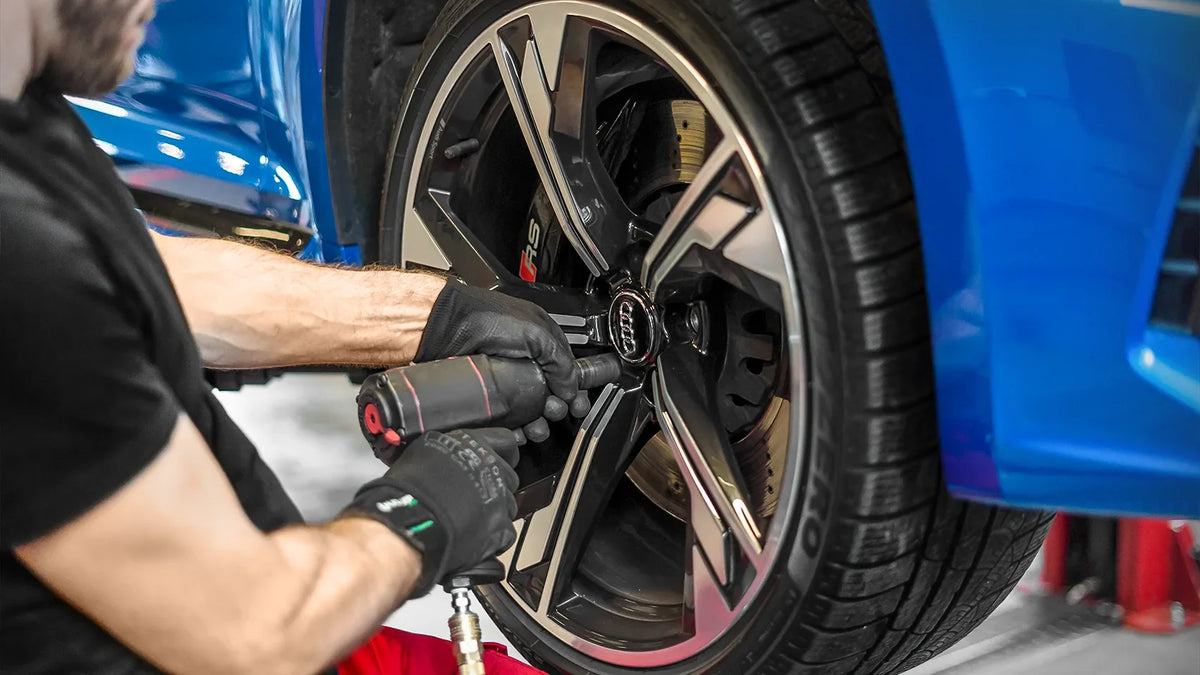
Once barely noticed, all-season tyres have shot to the top of the sales charts at remarkable speed, and more and more drivers are asking whether a single universal set for the whole year makes genuine financial sense. Let's find out!
Many drivers have grown accustomed to the summer and winter tyre divide. Seasonal tyre swapping became a routine, and during the transition months, tyre fitting centres struggled to keep up with demand. Everything seemed straightforward – until the accelerating effects of climate change and rising prices collided with advances in tyre technology.
Is the 7-degree rule a myth?
"When the average daily temperature drops below 7 degrees" – that's the golden rule, and often the only one, that drivers follow when deciding when to switch to winter tyres. The rule seems simple enough, but is it too simple? Temperatures in the mid-teens during a sunny afternoon and a frost before dawn is everyday reality in the transition months. These are vastly different conditions, and across such a wide range, neither a summer nor a winter tyre is the ideal solution. If we accept that such conditions can persist for up to 6 months of the year, all-season tyres start to look like a very well-justified choice.
Define your conditions
It's also worth asking yourself what conditions you'll realistically be driving in. If your mileage is modest and most of your kilometres are covered in town, the chances of encountering snow-covered roads, deep snow or ice are relatively low. In that case, all-season tyres are well worth considering.
If, however, you cover more than 10,000–20,000 kilometres a year, travel between different regions, or live in hilly or mountainous terrain, winter tyres seem the more sensible choice – giving you a greater safety margin in truly wintry conditions.
Compare the costs
The first saving comes right at the start, when two sets of seasonal tyres are replaced by a single all-season set. Although all-season tyres are slightly more expensive per tyre, the total cost is still lower.
Seasonal tyres guarantee two trips to the tyre fitting centre every year. Opting for all-season tyres allows you to strike those costs from the budget entirely. Assuming a set of all-season tyres lasts a minimum of three years, you'll save yourself as many as six visits to the fitter. Depending on your wheel type and size, the money saved could cover a significant portion of your next set of tyres. It's also worth factoring in just how much time and energy those visits consume.
The downside of running one set of tyres year-round? They will naturally wear faster than two separate seasonal sets – though at modest mileages, this shouldn't be a serious drawback.
Match the tyre to your car and driving style
It's worth remembering that, despite their many advantages, an all-season tyre remains a compromise between a summer and a winter tyre, drawing on the technology of both. This allows them to perform reliably across a very wide range of weather conditions. That said, the power output of the car and the driver's style must be taken into account. In sports cars with powerful drivetrains and an aggressive driving character, there's no room for compromise. Tyres – the only point of contact between the car and the road – must keep pace with power transfer, maintain traction, match the demands of high-performance braking, and meet the requirements set by high maximum speed ratings.
These concerns don't apply to compact, city and family cars, and this point needn't influence the decision to go with all-season tyres for most drivers.
Safety and other important considerations
Regardless of which type of tyre you choose, it's worth remembering that even the finest tyres will let you down if certain basics are neglected. What should you bear in mind?
• Correct pressure and regular checks. A pressure loss of just 1 bar increases braking distance on a wet road by as much as 10 metres! Conversely, over-inflation reduces the contact patch between tyre and road, lowering grip. In both cases, the tyre will wear unevenly and won't provide full safety. Check your tyre pressure regularly and follow the manufacturer's recommendations.
• Wheel alignment is critically important. Changes from factory settings – for example following suspension repairs – can cause complete tyre wear within just a few thousand kilometres. Driving with incorrect alignment leads to unpredictable handling in corners, on straight roads, and during sudden manoeuvres.
• Careful driving also makes an enormous difference. It's worth approaching kerbs carefully and mindfully, avoiding or crossing large potholes slowly where possible, and steering clear of kerb contact with the tyre sidewalls when parallel parking.
• Tyre care is no less important. Tyres are the components most exposed to road dirt, salt, metallic brake dust deposits and UV rays. This combination is compounded over time by heat, gradually degrading the rubber. Tyres lose their elasticity, become brittle, develop micro-cracks, and visually turn a dull grey-brown.

The ageing process can be slowed, however, by using the right products – such as Tire Black Wax tyre wax. It provides protection against dirt and UV rays, and thanks to the addition of a fine carbon black pigment, keeps tyres looking factory-fresh without any unwanted gloss or slippery finish. A single application of Tire Black Wax lasts several weeks, and a full tin is enough to treat a complete set of tyres at least several times over.
Summary
All-season tyres are a sensible choice for city drivers and those with modest annual mileages who value convenience and want to cut the cost of seasonal changeovers. They won't, however, replace dedicated winter tyres in the mountains, at high mileages, or behind the wheel of a sports car.
Whatever type of tyre you choose, regular pressure checks, attention to wheel alignment and proper tyre care are the basics that will keep you safe and extend the life of any set.