

 Europe | €
 Deutschland | €
 Italy | €
 Polska | zł
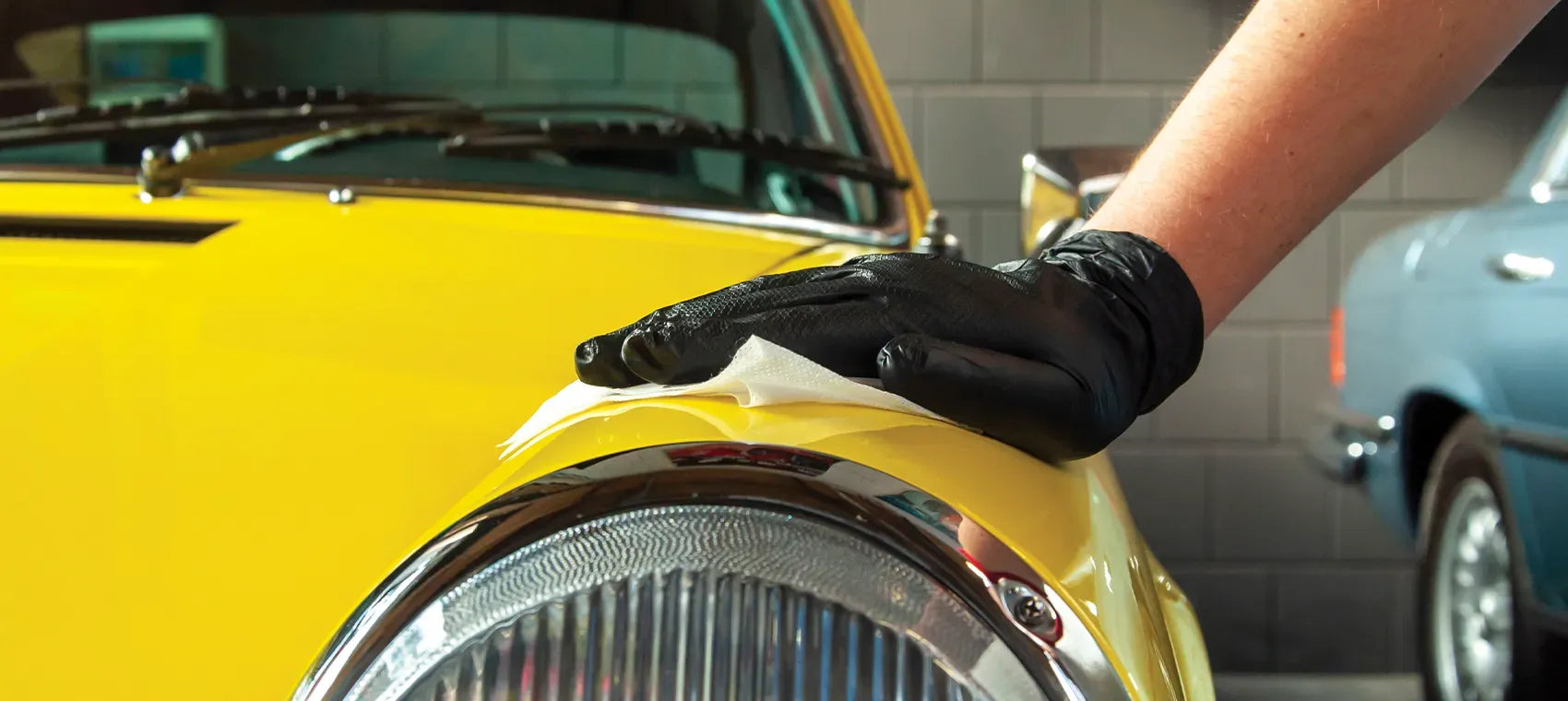
We use the word in every possible context, but what exactly is detailing? Beyond simply knowing the definition, it’s worth gaining some additional knowledge before diving into the extensive world of car care.
Let’s start with a bit of history.
Soft99 has been present on the global car care market for over 70 years, and we have been in Europe for more than a decade. Over the past 10 years, the field of detailing and car care in Europe has developed tremendously, entering the mainstream.
Today, detailing services can be found in every district of larger cities; they are offered by dealerships, car lots, some car washes, and car care products for paintwork or interiors are increasingly becoming a perfect gift for car owners and beyond. How can you make sense of it all?
Definition of detailing – more than cleaning
Let’s start with the definition.
“Detailing is the thorough washing and cleaning of every element of a vehicle, bringing it as close as possible to a like-new condition.”
What does this mean in practice?
The paintwork is cleansed of deeply embedded contaminants, polished in three steps, and finally protected—with wax, a quartz coating, or protective film—depending on the needs and expectations of the vehicle’s owner.
Although no step in the process should be skipped, protection is one of the most important aspects, because protection can—and should—also be applied to brand-new cars.
It’s not just about shine, but above all about preparing your property as well as possible for road salt, UV rays, and minor scratches.
Ultimately, when looking at detailing as a process, it is the most effective way to maintain a car’s appearance over the long term and protect its value.
Detailing – how to do it?
The wide range of topics shouldn’t discourage us from trying our hand at thorough vehicle cleaning. Anyone can do it—even children under the supervision of adults.
It’s worth distinguishing between two areas of detailing: amateur and professional. Although much of the knowledge and many of the activities performed by professional detailers eventually make their way into the enthusiast world, if you are just starting your detailing journey, it’s better not to risk damaging your vehicle. Leave tasks such as paint correction or ceramic coating application to experienced detailing studios if they are beyond your skill level.
Detailing step by step: cleaning
Accessories:
The first step is identifying the tools and accessories you’ll need: soft detailing brushes of various sizes will allow you to precisely clean even the most difficult-to-reach areas, such as gaps between body panels, grilles, or emblems.
Also choose a gentle detailing sponge. Avoid bulky, low-quality supermarket sponges.
When selecting buckets, choose ones with dirt separators—these will greatly help with safe sponge washing.
Prepare cloths made of delicate microfiber (you can never have too many) as well as larger detailing towels for drying.
Shampoo:
Choose a high-quality car wash shampoo. In most cases, you won’t need an aggressive detergent. Since you will eventually protect the vehicle with wax or a coating, opt for a pH-neutral car shampoo that will not disturb the protection layer.

Rinsing:
Before starting the wash, thoroughly rinse the car with a stream of water to remove loose contaminants and reduce the risk of scratches during washing.
Pre-wash:
Depending on your level of detailing experience, start with a pre-wash. This process usually involves spraying the entire vehicle (including windows and wheels) with active foam that lifts dirt remaining after rinsing.
Spray treatment:
You can also apply targeted or general sprays using specialized products. Pay particular attention to stubborn contaminants such as metallic deposits on wheels or baked-on insect residue on paint. Use dedicated products designed to dissolve these contaminants without damaging the surface.
Main wash:
Wash the car with a sponge from top to bottom using the two-bucket method—one bucket with clean water for rinsing the sponge and another with the shampoo solution. This prevents transferring dirt from lower parts of the car onto already cleaned surfaces. Remember to rinse the sponge regularly and replace the water to prevent the buildup of sand and other particles that could damage the paint.
Don’t forget commonly overlooked areas: door jambs, around the fuel filler cap, and spaces in air intakes or under aerodynamic elements.
What after washing?
Once you have thoroughly washed the car, dry it carefully to prevent water spots and streaks.
Detailing step by step: protection
Spray, wax, coating, or PPF?
There are countless ways to protect different surfaces of a car. From the easiest-to-use sprays (quick detailers as well as spray coatings such as Rain Drop), to easy-to-use soft waxes, slightly more demanding hard waxes, and finally ceramic coatings and films—the latter almost exclusively applied by professionals.
We recommend wax as a good solution for anyone who wants results that bring real benefits to car paintwork. Our range includes the simplest waxes such as Mirror Shine, which are buffed directly into the paint without waiting for bonding, as well as more advanced solutions like Fusso Coat 12 Months, a hard wax known for its 12-month paint protection achieved through strong water and dirt repellency.

Glass
Protect glass surfaces—especially the windshield—with a dedicated coating. Glaco coatings, highly regarded in Japan where they originate as well as worldwide, effectively repel water from the windshield under airflow while driving. The strongest coatings, such as Glaco DX, repel rain already at speeds of around 45 km/h. The result? A clean, clear windshield that lets you see more and spot hazards earlier, especially in difficult conditions.
Interior
Don’t forget the place where you spend the most time as a driver. Equip yourself with a vacuum cleaner (remember to vacuum leather upholstery carefully), an interior detailing brush, and a good cleaning product such as Wash Mist or Wash Mist Plus. Wipe frequently touched areas such as the steering wheel, dashboard, and gear knob using a brush or microfiber cloth to lift dirt. Don’t forget to vacuum the trunk. Finally, clean the windows from the inside—for example with Glaco De Cleaner.

Other elements
In detailing, there’s always something else to do! Once you’ve taken care of the exterior and interior, you can consider protecting the wheels (there are dedicated high-temperature coatings, but conventional waxes also work well). You can also clean engine bay components. We recommend caution when using water and consulting a mechanic if you’re unsure.
And once everything is done, remember about maintenance. Regularly wiping the paint with a quick detailer will pay off during future washes, making them easier. The same rule applies to exterior glass, mirrors, or even the lenses of onboard cameras, for which dedicated products also exist, such as Glaco Mirror Coat Zero.
Summary
As you can see from this blog post, detailing is a huge source of information. As we wrote at the beginning: don’t let that discourage you from taking care of your own car—or that of someone close to you. In the Soft99 range you will find many products designed to help you start your journey with this great hobby. We wish you nothing but detailing success!